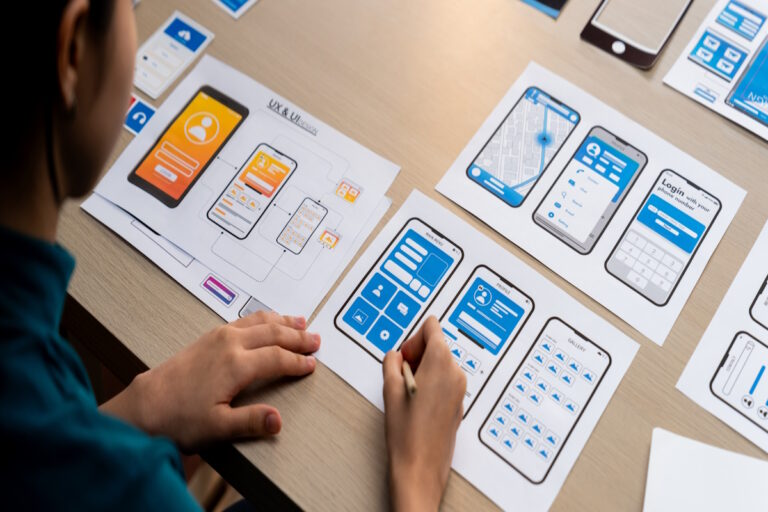

In today’s digital era, technology has revolutionized the way we learn and teach. With the increasing popularity of iPads in educational settings, designing educational iPad apps for interactive learning has become more important than ever. These apps provide a unique opportunity to engage students in a dynamic and immersive learning experience. In this article, we will explore the key considerations and best practices for designing educational iPad apps that promote interactive learning.
Understanding the Target Audience
Before designing an educational iPad app, it is essential to understand the target audience. Whether you are creating an app for elementary school students or college-level learners, knowing the age group, educational background, and learning preferences of your target audience will help you design an app that meets their specific needs.
Understanding the target audience involves conducting thorough research on their learning styles and preferences. By gathering data on their technological proficiency, preferred modes of learning, and educational goals, you can tailor the app’s content and features to align with their needs effectively.
Additionally, creating user personas based on the target audience’s demographics and psychographics can help you develop a more personalized and engaging learning experience. By identifying the specific challenges and requirements of different user segments, you can design an app that caters to a diverse range of learners.
It is also crucial to involve educators, parents, and students in the design process through focus groups, surveys, and user testing. By soliciting feedback from stakeholders, you can gain valuable insights into the user experience and make informed decisions to enhance the app’s effectiveness.
Setting Clear Learning Objectives
One of the most critical aspects of designing educational iPad apps is setting clear learning objectives. What do you want students to learn or achieve by using your app? By defining specific learning goals, you can create content and activities that align with these objectives and ensure that the app is both engaging and educational.
Setting clear learning objectives involves breaking down complex concepts into measurable outcomes that can be achieved through interactive activities and assessments. By outlining the desired knowledge and skills students should acquire, you can design a curriculum that guides their learning journey effectively.
Moreover, aligning the app’s learning objectives with educational standards and curriculum guidelines can help educators integrate the app seamlessly into their teaching practices. By ensuring that the app’s content is relevant and aligned with academic requirements, you can enhance its educational value and utility in the classroom.
To enhance the app’s effectiveness, consider incorporating formative assessments and progress tracking features that allow students to monitor their learning outcomes and receive timely feedback. By providing opportunities for self-assessment and reflection, you can promote a deeper understanding of the subject matter and facilitate continuous improvement.
Incorporating Interactive Features
To promote interactive learning, it is essential to incorporate a variety of interactive features into your educational iPad app. From quizzes and games to simulations and virtual experiments, interactive elements can help students actively engage with the content and reinforce their understanding of key concepts.
Interactive features should be designed to encourage student participation and collaboration, fostering a sense of ownership and motivation in the learning process. By integrating gamification elements such as leaderboards, badges, and rewards, you can incentivize students to progress through the app and achieve learning milestones.
Furthermore, incorporating adaptive learning algorithms and personalized recommendations can enhance the app’s interactivity by tailoring content to individual learning preferences and performance levels. By providing customized learning experiences based on student data and feedback, you can create a more engaging and effective educational environment.
To maximize the impact of interactive features, consider incorporating social learning tools that enable students to collaborate with peers, share insights, and engage in group activities. By fostering a sense of community and peer support, you can create a collaborative learning environment that enhances student engagement and promotes knowledge sharing.
Utilizing Multimedia Content
Incorporating multimedia content such as videos, animations, and audio recordings can enhance the learning experience and cater to different learning styles. By providing visual and auditory stimuli, you can create a more engaging and immersive learning environment that appeals to a broader range of students.
Multimedia content should be integrated strategically to complement the app’s educational objectives and reinforce key concepts through visual demonstrations and explanations. By incorporating interactive multimedia elements such as 3D models, infographics, and virtual tours, you can enhance students’ understanding and retention of complex information.
Moreover, leveraging multimedia content from reputable sources and subject matter experts can enhance the app’s credibility and educational value. By curating high-quality videos, podcasts, and interactive simulations, you can provide students with diverse perspectives and enriching learning experiences that extend beyond the classroom.
To optimize the accessibility and usability of multimedia content, ensure that it is compatible with different devices and screen sizes, and provide options for customization such as adjustable playback speeds and subtitles. By accommodating diverse learning preferences and technological capabilities, you can ensure that all students can benefit from the app’s multimedia resources.
Implementing Personalized Learning
Personalized learning is a growing trend in education, and educational iPad apps offer a unique opportunity to tailor learning experiences to individual students’ needs and preferences. By incorporating features such as adaptive learning paths, progress tracking, and personalized feedback, you can create a more personalized and effective learning experience for students.
Personalized learning involves leveraging data analytics and machine learning algorithms to assess students’ strengths, weaknesses, and learning styles, and deliver customized content and activities accordingly. By analyzing student performance data and behavior patterns, you can create adaptive learning pathways that cater to individual needs and optimize learning outcomes.
Furthermore, incorporating self-paced learning modules and interactive tutorials can empower students to take ownership of their learning journey and progress at their own pace. By providing opportunities for self-directed exploration and reflection, you can foster independence and critical thinking skills in students while promoting a deeper engagement with the subject matter.
To enhance the personalization of learning experiences, consider integrating features that enable students to set learning goals, track their progress, and receive targeted recommendations for further study. By promoting self-regulation and goal setting, you can empower students to take charge of their academic development and achieve their full potential.
Ensuring Accessibility and Inclusivity
When designing educational iPad apps, it is essential to consider accessibility and inclusivity. Ensure that your app is accessible to students with disabilities and diverse learning needs by incorporating features such as text-to-speech, closed captioning, and adjustable font sizes. By making your app inclusive, you can ensure that all students have equal access to educational resources.
Accessibility features should be designed to accommodate a wide range of disabilities and learning challenges, including visual, auditory, motor, and cognitive impairments. By following established guidelines such as the Web Content Accessibility Guidelines (WCAG), you can ensure that your app complies with accessibility standards and provides a seamless user experience for all students.
Moreover, conducting usability testing with students with disabilities and diverse learning needs can help identify barriers to accessibility and usability in the app’s design. By soliciting feedback from diverse user groups and incorporating their perspectives into the app’s development, you can create a more inclusive and user-friendly educational tool.
To promote inclusivity, consider providing multiple language options, culturally relevant content, and diverse representation in the app’s visuals and examples. By celebrating diversity and inclusivity in the app’s design, you can create a welcoming and supportive learning environment that respects students’ backgrounds and identities.
Testing and Iterating
Once you have designed your educational iPad app, it is crucial to test it with real students and educators to gather feedback and identify areas for improvement. Use this feedback to iterate on your app design, making adjustments to enhance usability, engagement, and educational effectiveness.
Testing the app with a diverse group of users can help identify usability issues, technical glitches, and content gaps that may impact the app’s functionality and user experience. By conducting usability testing sessions, surveys, and focus groups, you can gather qualitative and quantitative data to inform iterative improvements.
Moreover, leveraging analytics tools and user feedback mechanisms can provide valuable insights into user engagement, retention rates, and learning outcomes. By tracking key performance indicators and user interactions, you can monitor the app’s effectiveness and make data-driven decisions to optimize its educational impact.
To ensure continuous improvement, establish a feedback loop with students, educators, and other stakeholders to gather ongoing input and suggestions for enhancing the app’s features and content. By fostering a culture of collaboration and co-creation, you can create a dynamic and responsive educational tool that evolves in response to user needs and feedback.
Conclusion
Designing educational iPad apps for interactive learning requires careful consideration of the target audience, learning objectives, interactive features, multimedia content, personalized learning, accessibility, and inclusivity. By following these best practices and incorporating these key elements into your app design, you can create a compelling and effective educational tool that promotes interactive learning and engages students in meaningful ways. Contact us today to start building your iOS app and be a part of this exciting revolution. The possibilities are endless, and the impact is immeasurable. So let’s take on this challenge together!
FAQs:
1. Why is it important to understand the target audience when designing educational iPad apps?
Understanding the target audience helps in designing an app that meets specific needs and preferences of learners.
2. What is the significance of setting clear learning objectives in educational iPad app design?
Setting clear learning objectives helps in creating engaging and educational content that aligns with the goals of the app.
3. How can interactive features enhance the learning experience in educational iPad apps?
Incorporating interactive features like quizzes and games can help students actively engage with the content and reinforce their understanding of key concepts.
4. Why is it important to utilize multimedia content in educational iPad apps?
Utilizing multimedia content can cater to different learning styles, enhance the learning experience, and create a more engaging and immersive environment for students.